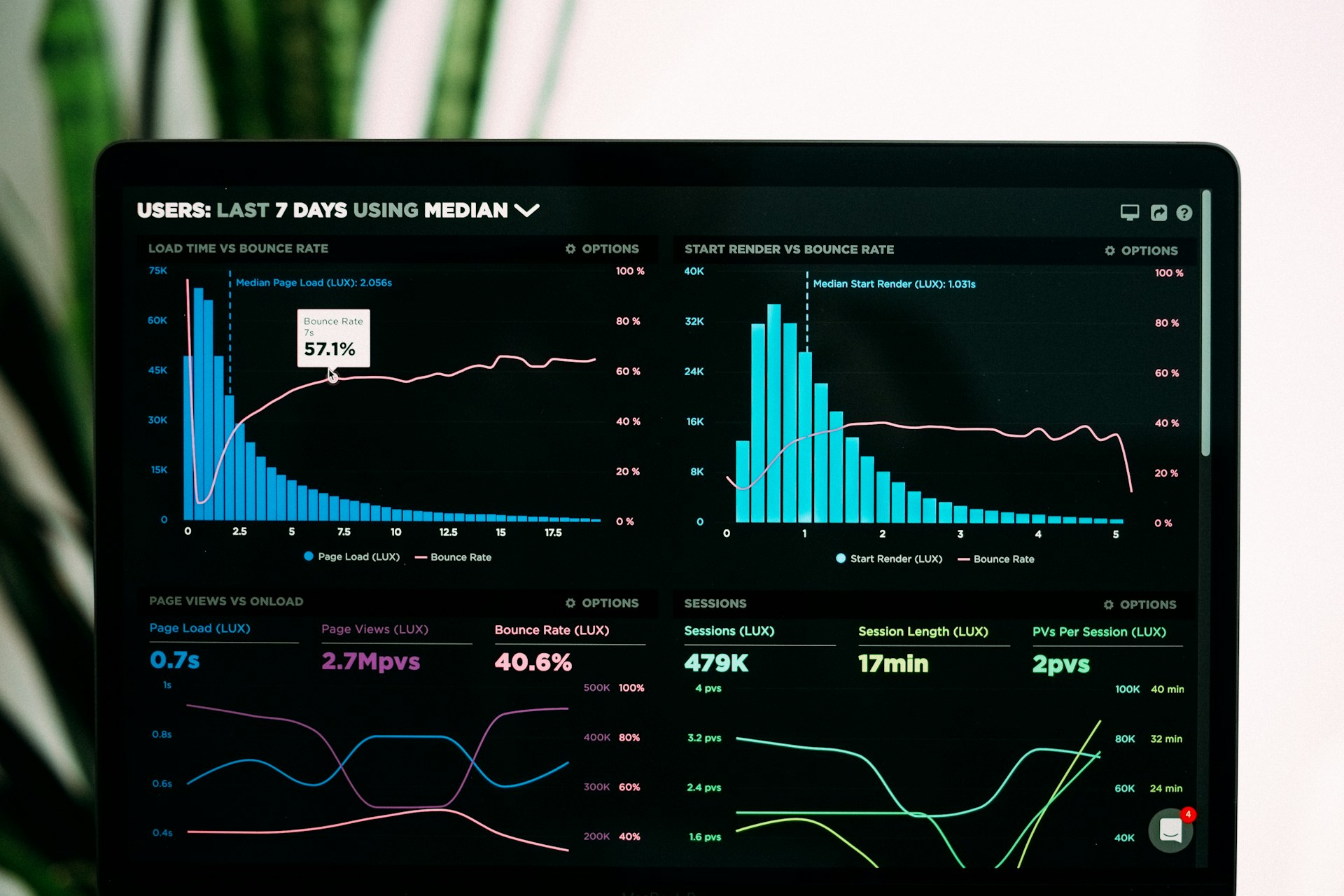

The link between ecommerce design and revenue is direct. A site that loads slowly loses visitors before they reach the homepage. A product page that buries the price below the fold buries the decision. A checkout that asks for an account before payment costs you the sale. None of these are aesthetic problems. They are revenue problems disguised as design choices.
Strong ecommerce design closes that gap by treating every layout decision as a commercial one. Where the price sits, how reviews appear, what the call to action says, when trust signals show up. These are the levers that lift conversion rates from below industry average to above it. The visual polish matters because it earns trust. The structural decisions matter because they earn revenue.
This is why we connect design to the rest of the marketing stack from day one. Pages need to be built so SEO can rank them, so paid traffic lands on layouts that match the ad creative, and so analytics can measure whether changes actually move the metric you care about. A storefront that ignores any of those three channels leaves money in the funnel.
The strongest ecommerce stores treat the whole site as a single revenue system. The homepage warms the visitor. The category page narrows the choice. The product page sells the item. The cart and checkout close the deal. Email and lifecycle bring them back for the second purchase. Design is the connective tissue that holds all of that together. Get it right and the rest of your marketing works harder. Get it wrong and the rest is wasted spend.
